As of October 2026, a move of NEET UG to computer-based testing (CBT) from 2027 had been announced but was described as under consideration. The sensible plan is to prepare for both formats: practise full papers on paper and on screen.
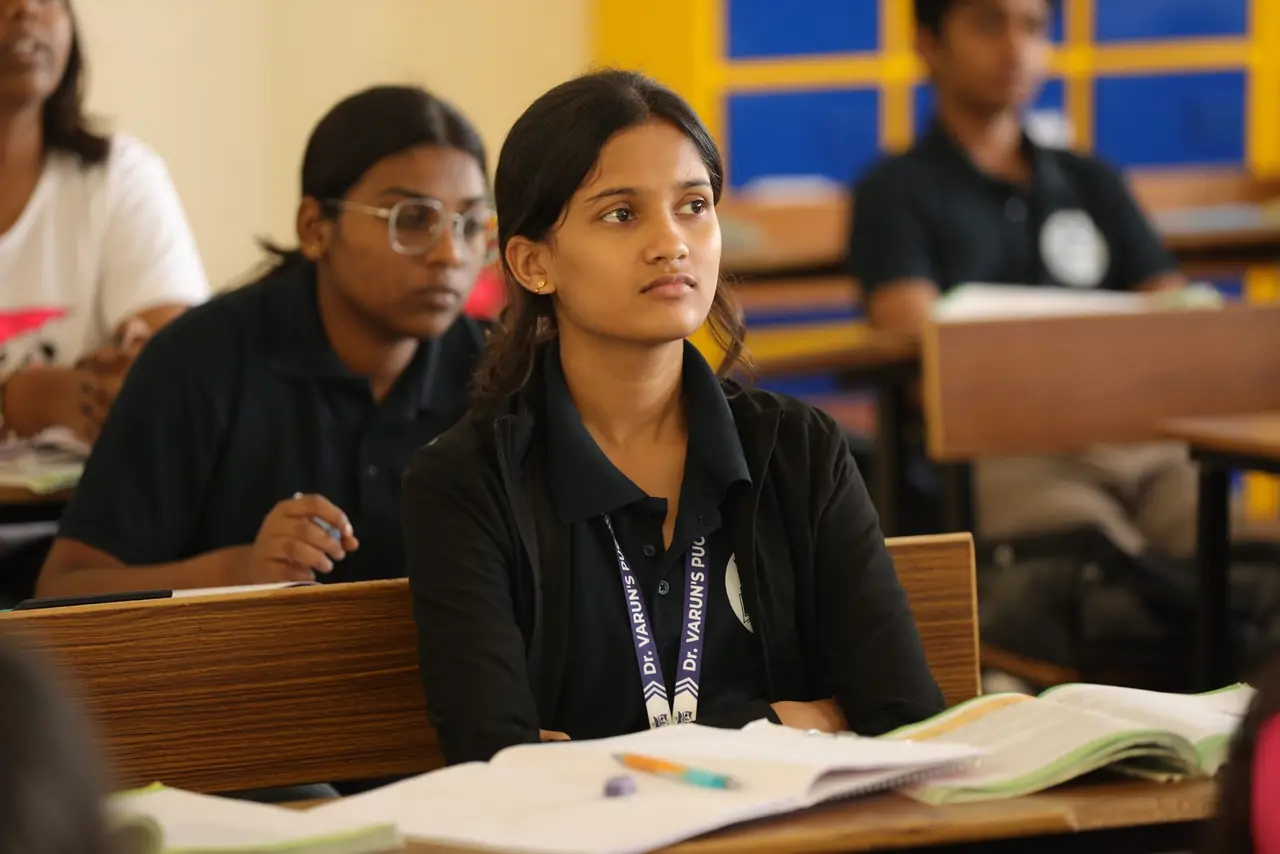
After the 2026 NEET UG was cancelled and re-held, one announcement caught every student's attention: NEET would move to computer-based testing (CBT) from 2027. Since then, the picture has become less certain. Here is what is known as of October 2026, and how a student should prepare.
What happened in 2026
- NEET UG 2026 was held on 3 May in pen-and-paper (OMR) mode.
- After reports of a leaked paper, NTA cancelled the exam on 12 May, and a re-exam was held on 21 June 2026, also on paper.
- On 15 May 2026, the then Union Education Minister announced that NEET UG would move to CBT from 2027.
- In July 2026, reports described a plan for a multi-day CBT window across many centres.
- In early October 2026, NTA officials described CBT as under consideration, pending the report of an expert task force, with the Education Ministry reviewing NTA's readiness.
So as of October 2026, CBT for NEET 2027 is likely but not confirmed. Watch NTA's official notices.
What would stay the same
Unless NTA announces otherwise, the content and marking should not change with the mode:
- 180 compulsory questions: 45 Physics, 45 Chemistry, 90 Biology
- 720 marks, +4 for a correct answer, −1 for a wrong one
- About three hours
- The NCERT-based syllabus
A computer changes how you answer, not what you need to know.
What could change with CBT
Reading from a screen
Long biology statements, assertion-reason questions and data in tables read differently on a screen. Students who have practised only on paper may slow down.
Navigating and marking
In CBT, you move between questions with buttons and can usually mark questions for review. This helps a two-pass strategy, but only if you have practised it.
Rough work
You will have rough sheets, but you cannot write on the question itself, underline or cross out options as you do on paper. Elimination becomes a mental or rough-sheet habit.
Multiple shifts and normalisation
If the exam runs over several days in different shifts, scores may be normalised across shifts, as in other national CBT exams. The exact method would be announced by NTA.
Identity checks
Expect tighter identity verification at centres, building on the Aadhaar and APAAR requirements already introduced for 2026 registration.
How to prepare for both formats
- Keep your method the same. Learn concepts, make your own notes, test yourself without looking, and analyse every test. These matter in any format.
- Write full papers in both modes. Alternate full-length paper tests with full-length on-screen mock tests, in full time.
- Practise a two-pass strategy. In the first pass, read all 180 questions and answer the ones you are sure of. In the second, take on the harder ones in order. Never leave a question unread.
- Train your eyes for a screen. If you are not used to reading on a screen, practise for longer stretches. Sit at a desk, not on a bed, at the right distance.
- Practise without marking the question paper. Get used to eliminating options on rough paper.
- Keep sleep fixed. If the exam moves to a shift you are not used to, a stable sleep routine helps you adapt.
A note for parents
Mode changes can make students anxious. The most helpful thing a parent can do is keep the conversation on the work: is the syllabus covered, are tests being analysed, is sleep regular? Those matter in any format.
How RIMA prepares students
At RIMA, every major test is a full-syllabus paper in NEET format and full time, followed by question-by-question analysis. From 2026–27 we prepare students for both modes: paper tests and on-screen practice, with a two-pass exam strategy and protected sleep in every phase of the year. See how the system works.
The steady view
Mode changes make headlines. They rarely change who does well. A student who knows the syllabus deeply, tests themselves honestly and arrives at the exam rested will adapt to a screen in a few weeks of practice. Prepare for both, and keep your attention on the work.
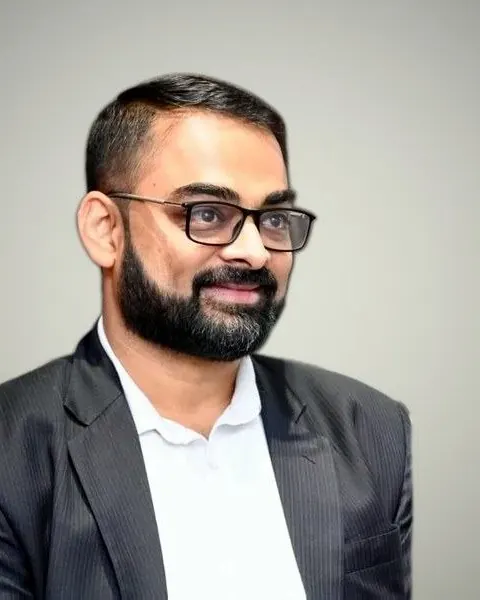
Dr Varun Murthy, MBBS (Kempegowda Institute of Medical Sciences, Bengaluru)
A doctor who left clinical work to build schools and study systems. Founder of Rebuild India Medical Academy and designer of the 16-point Success Blueprint.