Kannada-medium students can do very well in NEET. The gap is language, not ability, and it closes in months with a plan: learn scientific terms in both languages, read NCERT daily, keep a word notebook, and ask questions in Kannada when needed. NEET itself can also be written in Kannada.
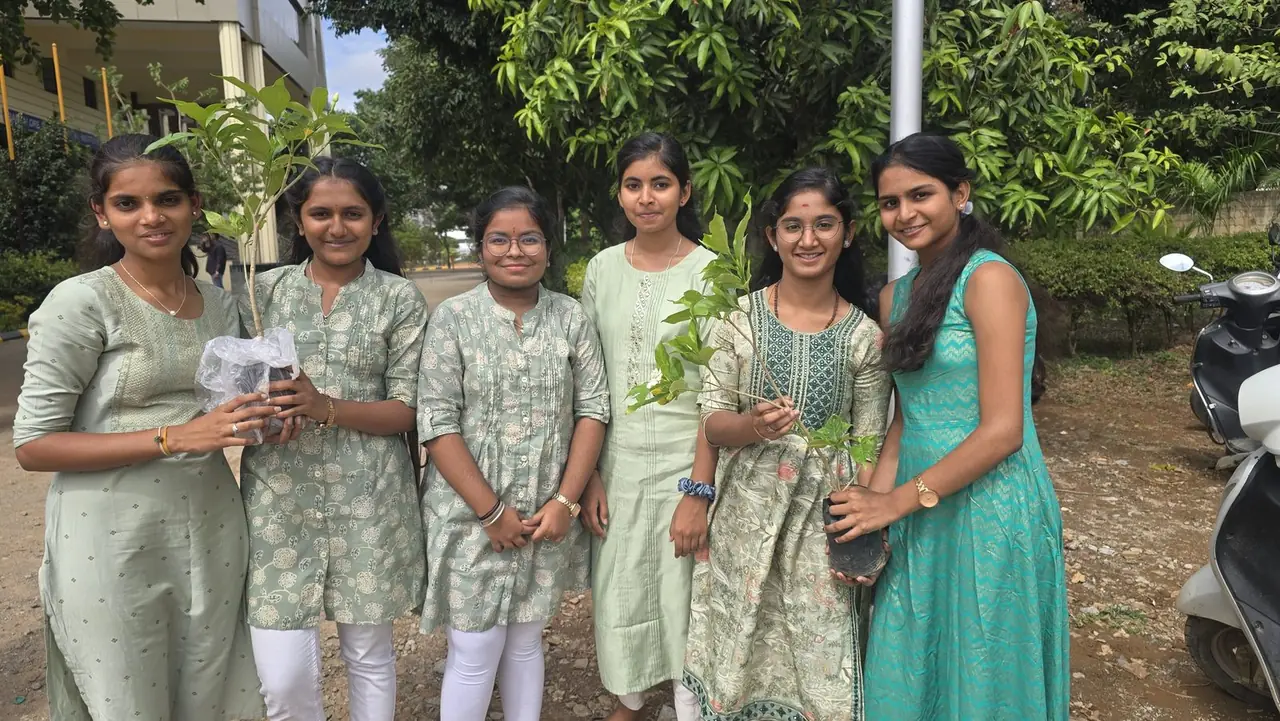
Every year, students from Kannada-medium schools in Karnataka's towns and villages decide they want to become doctors, and every year many of them worry that English will hold them back. Here is a clear, practical view of the transition, and a plan for the first months.
First, the facts
- NEET can be written in Kannada. As of 2026, NEET UG is offered in 13 languages, including Kannada and English.
- Karnataka recognises Kannada-medium schooling. Karnataka's state quota has a horizontal reservation for candidates who studied in Kannada medium from Class 1 to 10, in government seats. Check the current rules in each year's KEA brochure.
- The science is the same. Photosynthesis, Newton's laws and chemical bonding do not change with language. A student who understands them in Kannada has the hardest part done.
Where Kannada-medium students actually struggle
- Technical terms. Words like "permeability", "electronegativity" or "inflorescence" are new, and English textbooks use them constantly.
- Reading speed. Long biology statements and assertion-reason questions take longer to read at first.
- Confidence in class. Students hesitate to ask questions in English and fall silently behind.
All three are skills. Skills improve with practice.
English or Kannada for NEET?
Students who will study PUC in English often choose to write NEET in English, because their notes and tests are in English. Others prefer Kannada. Decide by the end of 1st PUC, after writing a few full tests in each, and then practise in the language you will use on the day. Whatever you choose, learn the key terms in both languages.
A plan for the first three months of PUC
Weeks 1 to 4: build the word bank
- Keep a notebook with three columns: English term, Kannada meaning, a one-line example.
- Add every new term from class the same day.
- Test yourself on the notebook each morning, without looking.
Weeks 5 to 8: read NCERT daily
- Read a few pages of NCERT biology every day, slowly, with a pencil.
- After each paragraph, close the book and say what it said in your own words, in Kannada or English.
- Underline words you do not know and add them to the notebook.
Weeks 9 to 12: practise questions in English
- Solve short sets of questions in English, timed.
- Notice which question styles slow you down, such as assertion-reason, and practise those.
- Keep asking: in class, in self-study, in one-to-one meetings. Ask in Kannada if that is clearer.
By the end of three months, most students find the language barrier much lower than they feared.
Common mistakes to avoid
- Translating every sentence. It slows reading. Translate the key terms; read the rest in English and check your understanding.
- Memorising English answers without meaning. NEET tests understanding. Learn the concept first, in whatever language works, then the English words for it.
- Staying silent. The students who improve fastest are the ones who ask, even in broken English, even in Kannada.
- Comparing yourself with English-medium classmates in week one. Compare yourself with yourself, one month ago.
What helps from teachers and the institution
- Teachers who can explain a hard concept in Kannada when a student is stuck
- A culture where asking questions is normal, not embarrassing
- Bilingual glossaries for each subject
- Patience in the first months, without labelling students as "weak"
How RIMA supports Kannada-medium students
Classes at RIMA are in English, with teachers and mentors who speak Kannada. Our Readiness Profile is designed so that rural and Kannada-medium students are not penalised for lack of exposure, and students can write their own answers in Kannada. Admission is based on our own assessment, not Class 10 marks.
ಕನ್ನಡದಲ್ಲಿ ಓದಿ: ಡಾಕ್ಟರ್ ಆಗುವುದು ಹೇಗೆ
For parents
If your child studied in Kannada medium, do not let anyone tell you that medicine is out of reach. What matters is a steady routine, a good method and the right support in the first months. The language follows.
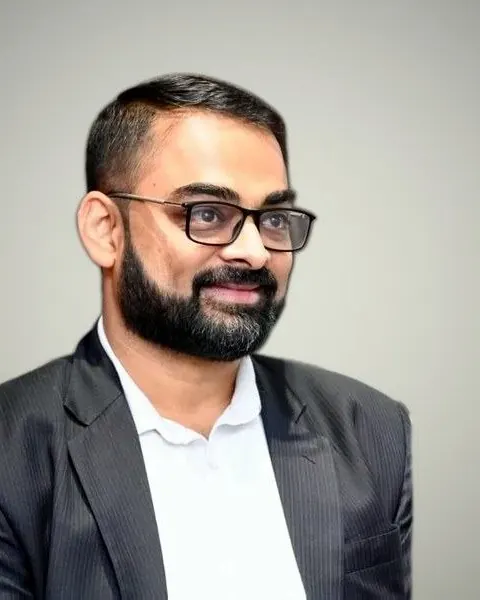
Dr Varun Murthy, MBBS (Kempegowda Institute of Medical Sciences, Bengaluru)
A doctor who left clinical work to build schools and study systems. Founder of Rebuild India Medical Academy and designer of the 16-point Success Blueprint.